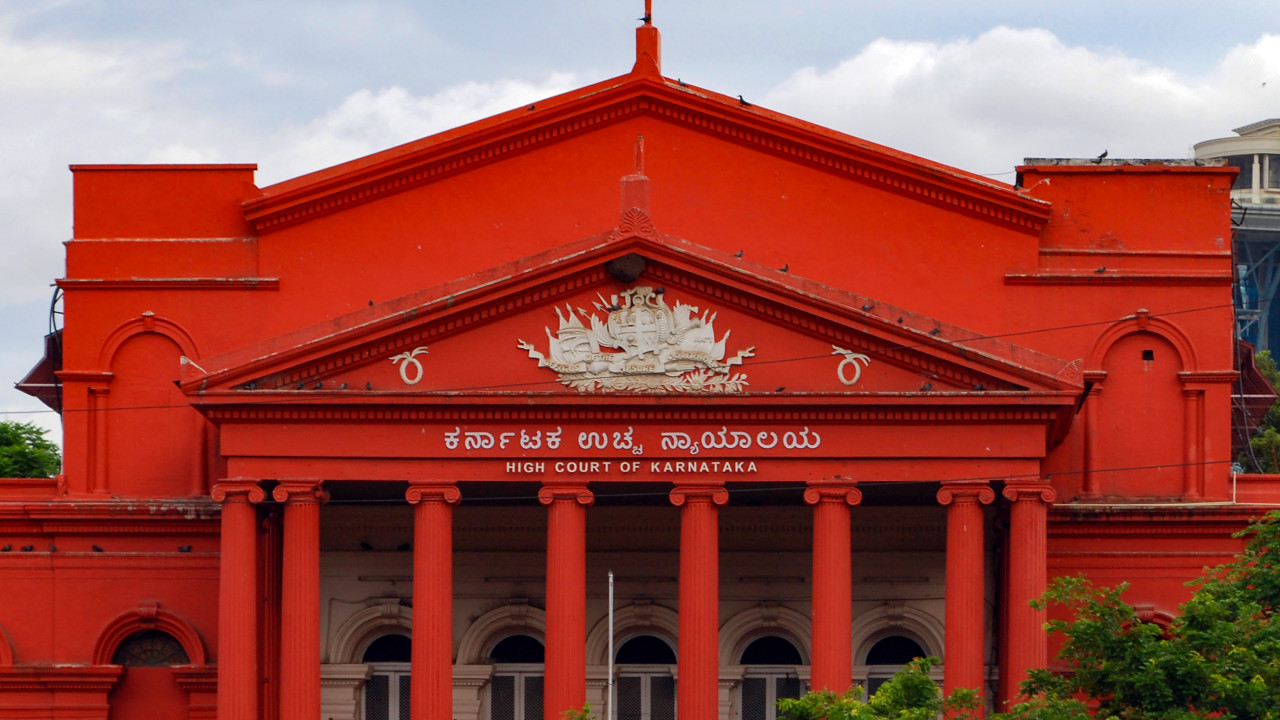
High court
Madras High Court Directs State Government to Implement Reservation Policy in Universities
Background: The Madras High Court recently heard a petition filed by a group of students, seeking directions to the state government to implement the reservation policy in universities. Parties: The petition was filed by a group of students, while the respondents included the state government and the universities. Legal issues: The main issue before the court was whether the state government had failed to implement the reservation policy in universities, thereby depriving eligible students of their rightful benefits. Court observations: The Madras High Court directed the state government to implement the reservation policy in universities, stating that the policy was a constitutional requirement. The court observed that the state government had failed to implement the policy, despite repeated directions from the court. Significance: The court's decision is significant as it highlights the importance of implementing the reservation policy in universities, to ensure that eligible students from marginalized communities are able to access higher education. The court's observations also underscore the need for the state government to take proactive steps to address the issue of reservation in universities, and to ensure that the policy is implemented in a fair and transparent manner. The case also raises questions about the effectiveness of the current system of reservation and the need for reforms to ensure that the policy is implemented in a manner that benefits the intended beneficiaries. The Madras High Court's decision is likely to have a positive impact on the lives of students from marginalized communities, and it may also set a precedent for similar cases in other states. In conclusion, the Madras High Court's decision is a significant step towards ensuring that the reservation policy is implemented in universities, and it highlights the importance of the state government taking proactive steps to address the issue of reservation. The court's directions are also a reminder of the need for the state government to prioritize the implementation of the reservation policy, to ensure that eligible students from marginalized communities are able to access higher education. Moreover, the case also underscores the importance of the judiciary in ensuring that the rights of marginalized communities are protected, and that the principles of justice and fairness are upheld. The Madras High Court's decision is a significant development in the ongoing debate about reservation in universities, and it is likely to have a lasting impact on the education sector in India.