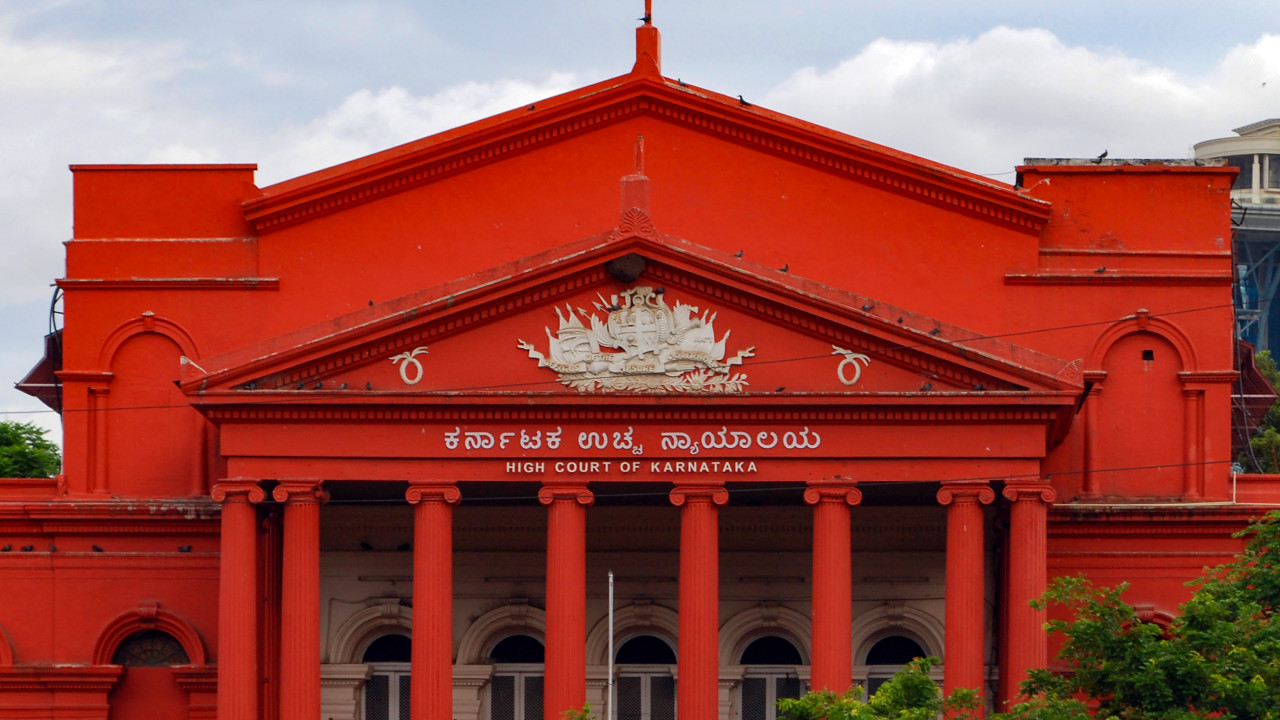
High court
Bombay High Court Directs State Government to Fill Vacant Posts in Tribal Department
Background: The Bombay High Court recently heard a public interest litigation (PIL) filed by an NGO, seeking directions to the state government to fill vacant posts in the tribal department. Parties: The PIL was filed by an NGO, while the respondents included the state government and the tribal department. Legal issues: The main issue before the court was whether the state government had failed in its duty to fill vacant posts in the tribal department, thereby affecting the welfare of tribal communities. Court observations: The Bombay High Court directed the state government to fill the vacant posts in the tribal department within a specified timeframe. The court observed that the vacant posts had been lying unfilled for several years, which was having a detrimental impact on the welfare of tribal communities. Significance: The court's decision is significant as it highlights the importance of filling vacant posts in key departments, such as the tribal department, to ensure that the welfare of marginalized communities is not compromised. The court's directions also underscore the need for the state government to take proactive steps to address the issue of vacant posts in various departments. The case also raises questions about the effectiveness of the current system of recruitment and the need for reforms to ensure that vacant posts are filled in a timely manner. The Bombay High Court's decision is likely to have a positive impact on the lives of tribal communities in the state, and it may also set a precedent for similar cases in other states. In conclusion, the Bombay High Court's decision is a significant step towards ensuring that the welfare of tribal communities is protected, and it highlights the importance of a functional and effective administrative system. The court's directions are also a reminder of the need for the state government to prioritize the filling of vacant posts in key departments, such as the tribal department, to ensure that the delivery of essential services is not compromised. Moreover, the case also underscores the importance of NGOs and civil society organizations in highlighting key issues and seeking judicial intervention to ensure that the rights of marginalized communities are protected.