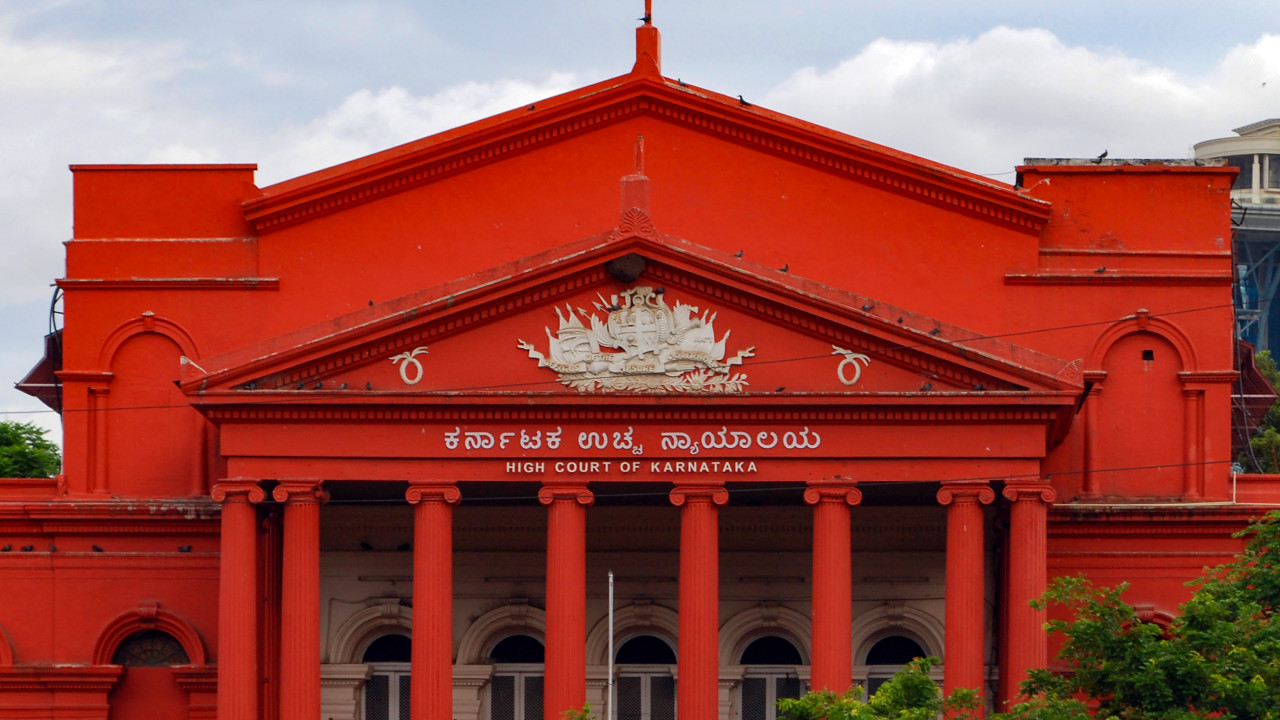
Supreme court
Supreme Court Rules that Right to Vote is Not a Fundamental Right
The Supreme Court of India has ruled that the right to vote is not a fundamental right, in a significant judgment that is likely to have major implications for the country's electoral laws. The court held that the right to vote is a statutory right, conferred by the Representation of the People Act, 1951, and is not protected by the Constitution as a fundamental right. The judgment was delivered by a three-judge bench, which observed that the right to vote is an important aspect of democratic participation, but is not a fundamental right in the same way that the right to life, liberty, and equality are. The court's decision has been welcomed by the government, which has argued that the right to vote is a statutory right that can be regulated by the legislature. However, opposition parties and civil society groups have expressed concerns that the judgment may undermine the integrity of the electoral process and limit the ability of citizens to participate in the democratic process. The Supreme Court's decision has also highlighted the need for a comprehensive review of the electoral laws in India, and the importance of ensuring that these laws are fair, equitable, and consistent with the principles of democracy and social justice. The court's judgment has also emphasized the importance of protecting the rights of citizens and promoting democratic participation, and the need for the government to take proactive steps to address the challenges facing the electoral process in India. The Supreme Court's decision is a significant development in the ongoing debate about electoral laws and democratic participation in India, and is likely to have major implications for the country's democratic development. The court's judgment has also highlighted the need for a comprehensive review of the existing laws governing the electoral process, and the importance of ensuring that these laws are consistent with the principles of democracy and social justice. The Supreme Court's decision is likely to be subject to further review and clarification in the coming months, and it is likely that the issue of the right to vote will continue to be a major topic of debate and discussion in India. The court's judgment has also emphasized the importance of promoting democratic participation and protecting the rights of citizens, and the need for the government to take proactive steps to address the challenges facing the electoral process in India. The Supreme Court's decision is a major milestone in the development of Indian law and governance, and is likely to have significant implications for the protection of individual rights and freedoms in the country.