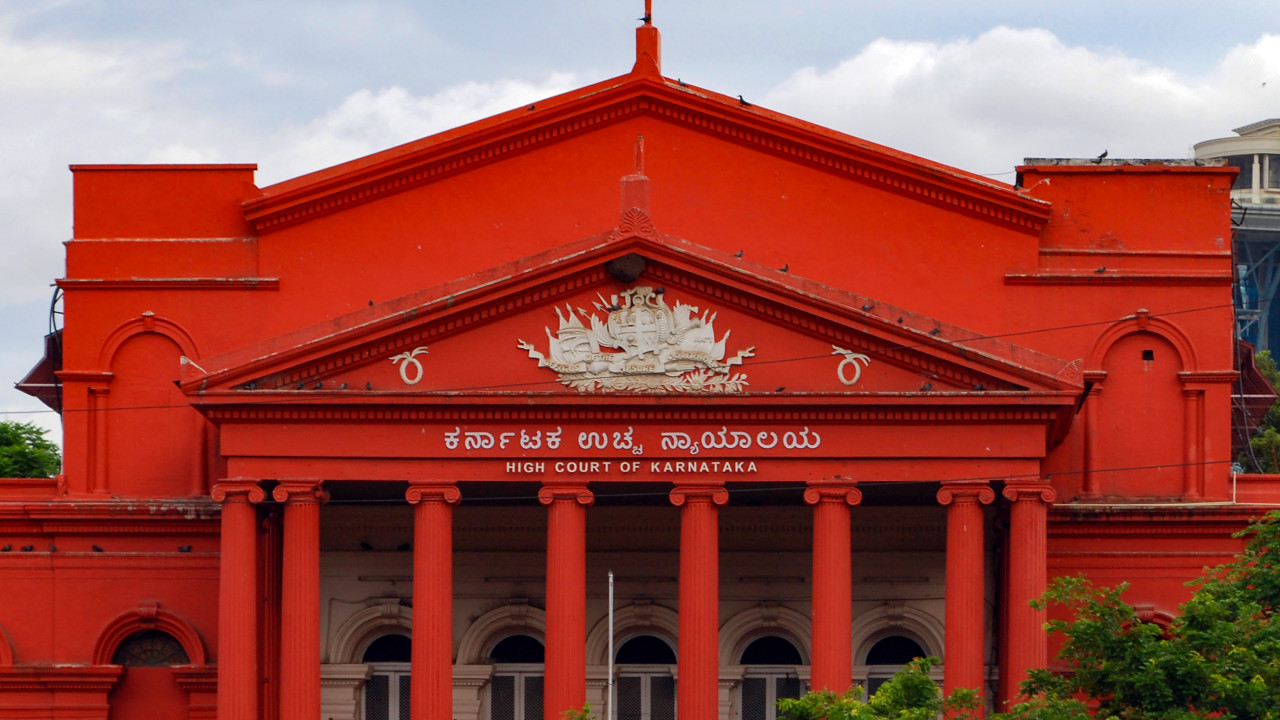
Supreme court
Supreme Court Orders Government to Implement Measures to Reduce Air Pollution in Delhi
The Supreme Court of India has ordered the government to implement measures to reduce air pollution in Delhi, in a significant decision that is expected to have far-reaching implications for public health and the environment. The court was hearing a petition filed by a group of activists who argued that the government had failed to take adequate measures to address the crisis of air pollution in the city. The court observed that the levels of air pollution in Delhi were alarming and required immediate attention. The court has directed the government to implement a range of measures, including the closure of polluting industries, the introduction of cleaner fuels, and the improvement of public transport. The decision is significant as it highlights the need for urgent action to address the crisis of air pollution in India. The court's ruling is also expected to have implications for other cities in the country that are struggling with air pollution. The case is a significant development in the ongoing fight for environmental protection and public health in India, and is likely to be seen as a major victory for environmental activists. The Supreme Court's decision is a significant step forward in the fight against air pollution, and is likely to be studied closely by policymakers and social activists. The decision also highlights the importance of government accountability and transparency in addressing environmental issues. The Supreme Court's ruling is a significant development in Indian politics and society, and is likely to have far-reaching implications for the country's social and economic landscape. The court's decision is also expected to have implications for other cases of environmental degradation that are pending in the courts. Overall, the Supreme Court's decision is a significant step forward in the fight against air pollution, and is likely to be seen as a major victory for environmental activists. The court's ruling is a significant development in the ongoing debate over environmental protection and public health in India, and is likely to be studied closely by policymakers and social activists.