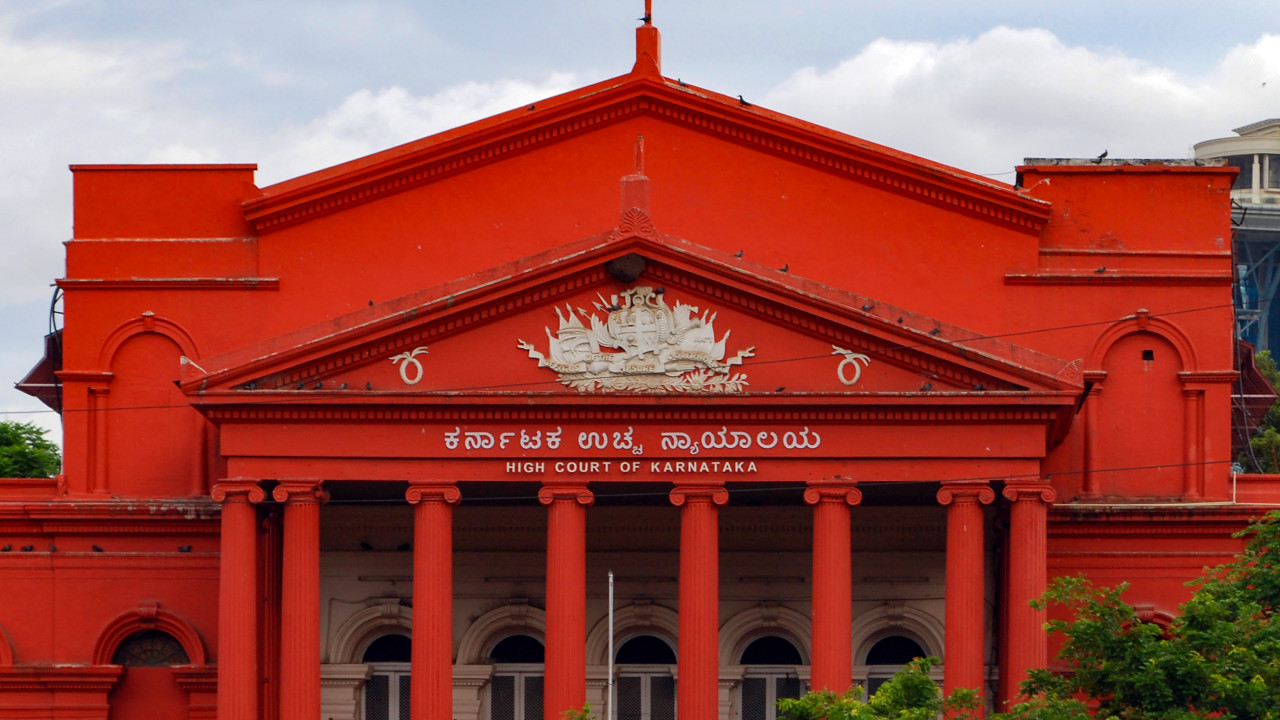
Supreme court
Supreme Court Orders Probe into Allegations of Corruption against Former Uttar Pradesh Chief Minister
The Supreme Court of India has ordered a probe into allegations of corruption against former Uttar Pradesh Chief Minister, Akhilesh Yadav. The court was hearing a petition filed by a group of activists who alleged that Yadav had misused his position to acquire land and other assets. The court observed that the allegations were serious and required a thorough investigation. The court has directed the Central Bureau of Investigation (CBI) to conduct a probe into the allegations and submit a report within six weeks. The decision is significant as it highlights the need for accountability and transparency in government. The court's ruling is also expected to have implications for other politicians who have been accused of corruption. The case is a significant development in the ongoing fight against corruption in India, and is likely to be seen as a major victory for anti-corruption activists. The Supreme Court's decision is also expected to have implications for the upcoming state elections in Uttar Pradesh, where corruption is likely to be a major campaign issue. The court's ruling is a significant step forward in the fight against corruption, and is likely to be studied closely by policymakers and social activists. The decision also highlights the importance of independent institutions in holding those in power accountable. The Supreme Court's ruling is a significant development in Indian politics and society, and is likely to have far-reaching implications for the country's social and economic landscape. The court's decision is also expected to have implications for other cases of corruption that are pending in the courts. Overall, the Supreme Court's decision is a significant step forward in the fight against corruption, and is likely to be seen as a major victory for anti-corruption activists. The court's ruling is a significant development in the ongoing debate over corruption and accountability in India, and is likely to be studied closely by policymakers and social activists.