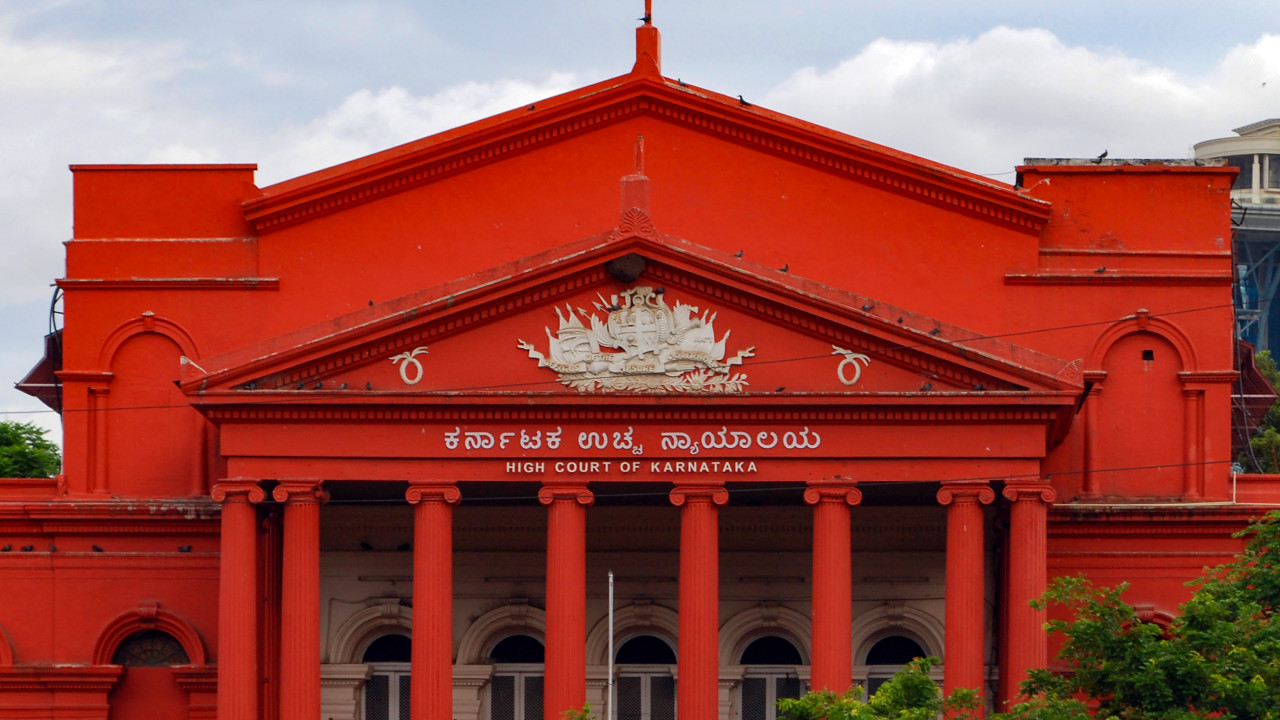
Supreme court
Supreme Court Upholds Maharashtra Government's Decision to Grant Quota to Marathas
The Supreme Court of India has upheld the decision of the Maharashtra government to grant a quota to the Maratha community in government jobs and educational institutions. The court ruled that the decision was constitutional and did not violate the principles of equality. The case was filed by a group of petitioners who challenged the decision, arguing that it was discriminatory and would harm the interests of other communities. The court observed that the decision was based on the recommendations of the Backward Class Commission and was intended to promote social and economic equality. The court also noted that the quota was not excessive and would not affect the rights of other communities. The decision is significant as it upholds the right of states to grant quotas to specific communities. The court's ruling is also expected to have implications for other states that have granted similar quotas. The Maratha community has welcomed the decision, saying it would help to promote their social and economic development. However, other communities have expressed concerns that the decision could lead to further fragmentation and discrimination. The Supreme Court's decision is a significant development in the ongoing debate over quotas and reservations in India. The court's ruling is expected to be studied closely by policymakers and social activists, and is likely to have far-reaching implications for the country's social and economic landscape. The decision also highlights the importance of social and economic equality in Indian society, and the need for policies that promote the development of marginalized communities. The Supreme Court's ruling is a significant step forward in this direction, and is likely to be seen as a major victory for the Maratha community and other marginalized groups. The court's decision is also expected to have implications for the upcoming state elections in Maharashtra, where the quota issue is likely to be a major campaign issue. Overall, the Supreme Court's decision is a significant development in Indian politics and society, and is likely to have far-reaching implications for the country's social and economic landscape.